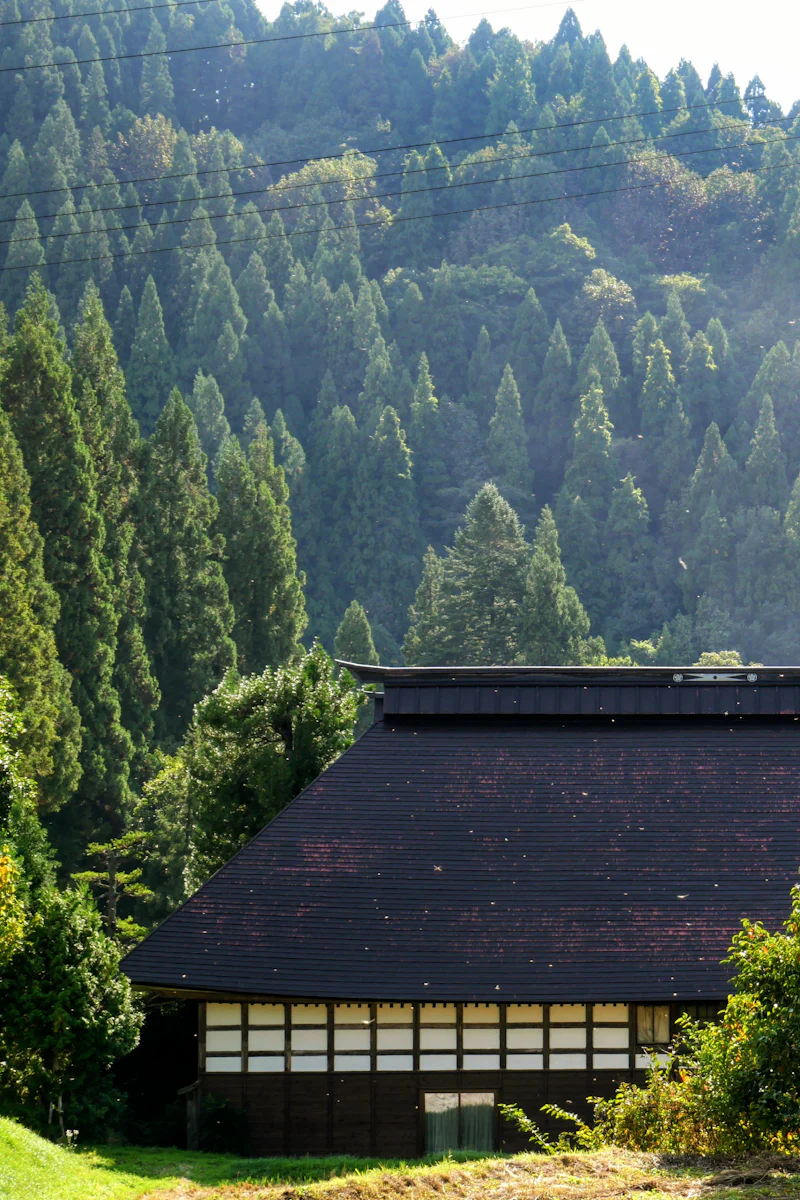
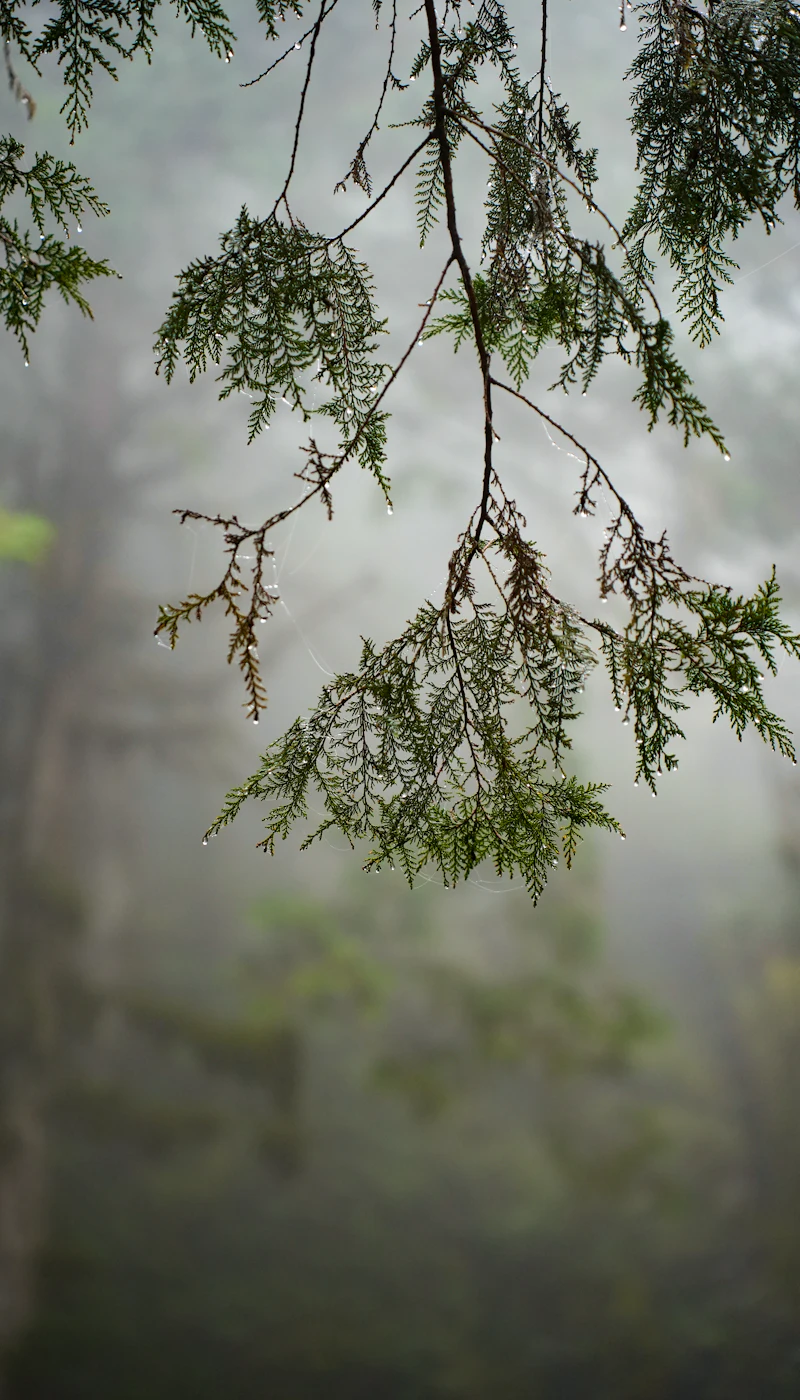
Sugi cedar
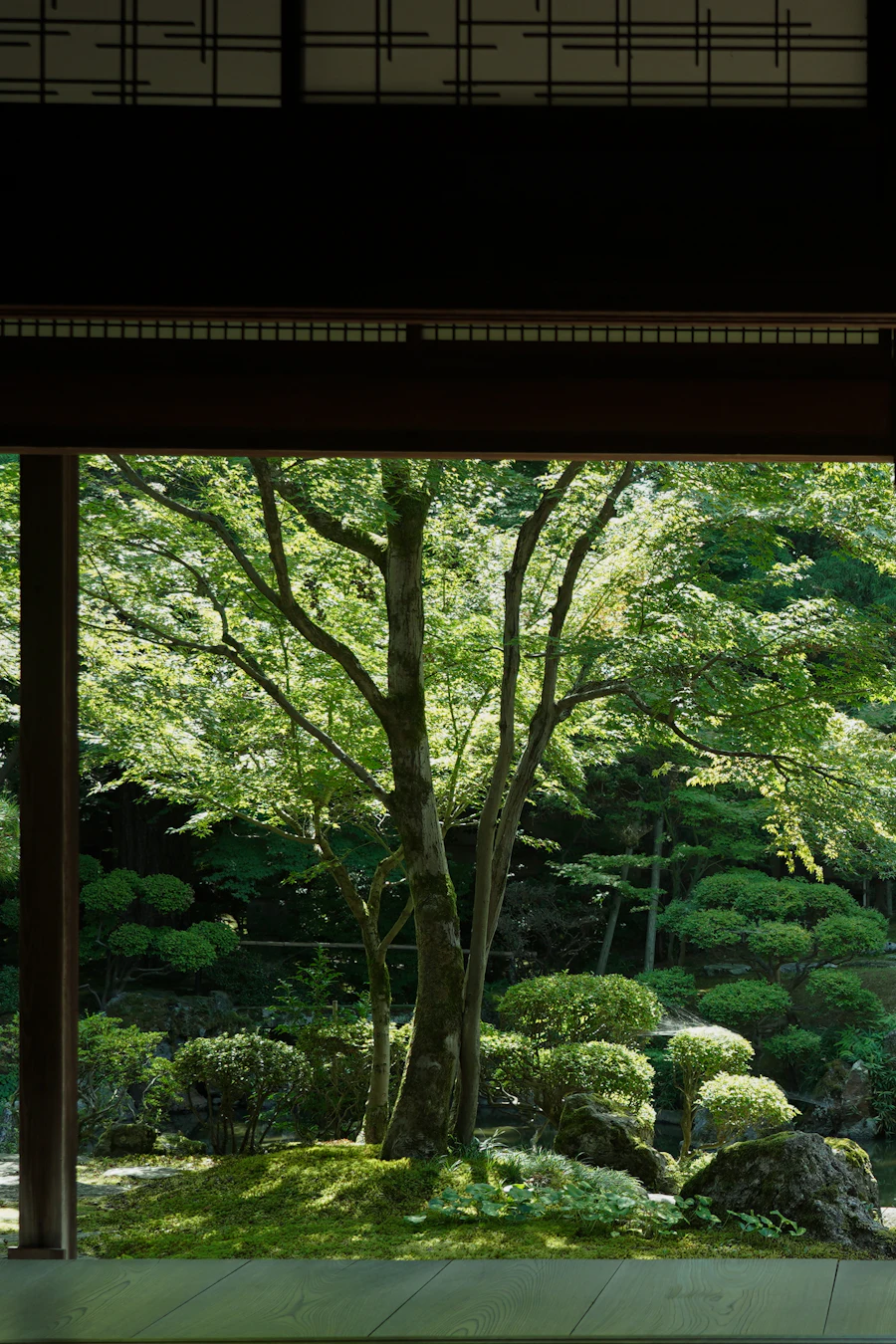
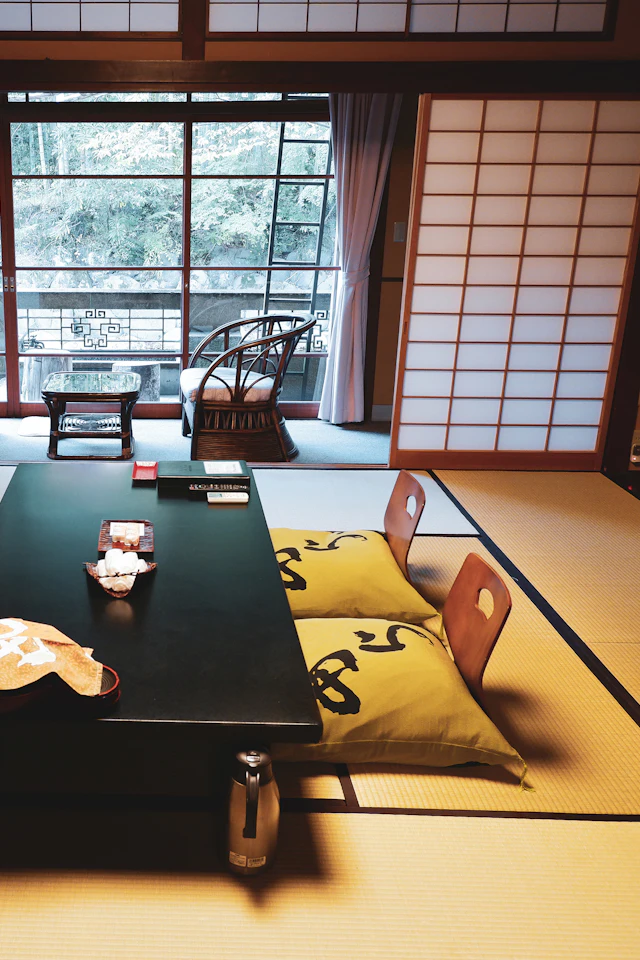
Ten mats and a veranda wide enough for two chairs and a pot of tea. Faces the lower garden. The futon is laid while you are at dinner.
- Size
- 10 tatami, 28 m²
- Sleeps
- Two
- In the house
- Four rooms
- Rate
- ¥42,000 per guest, per night
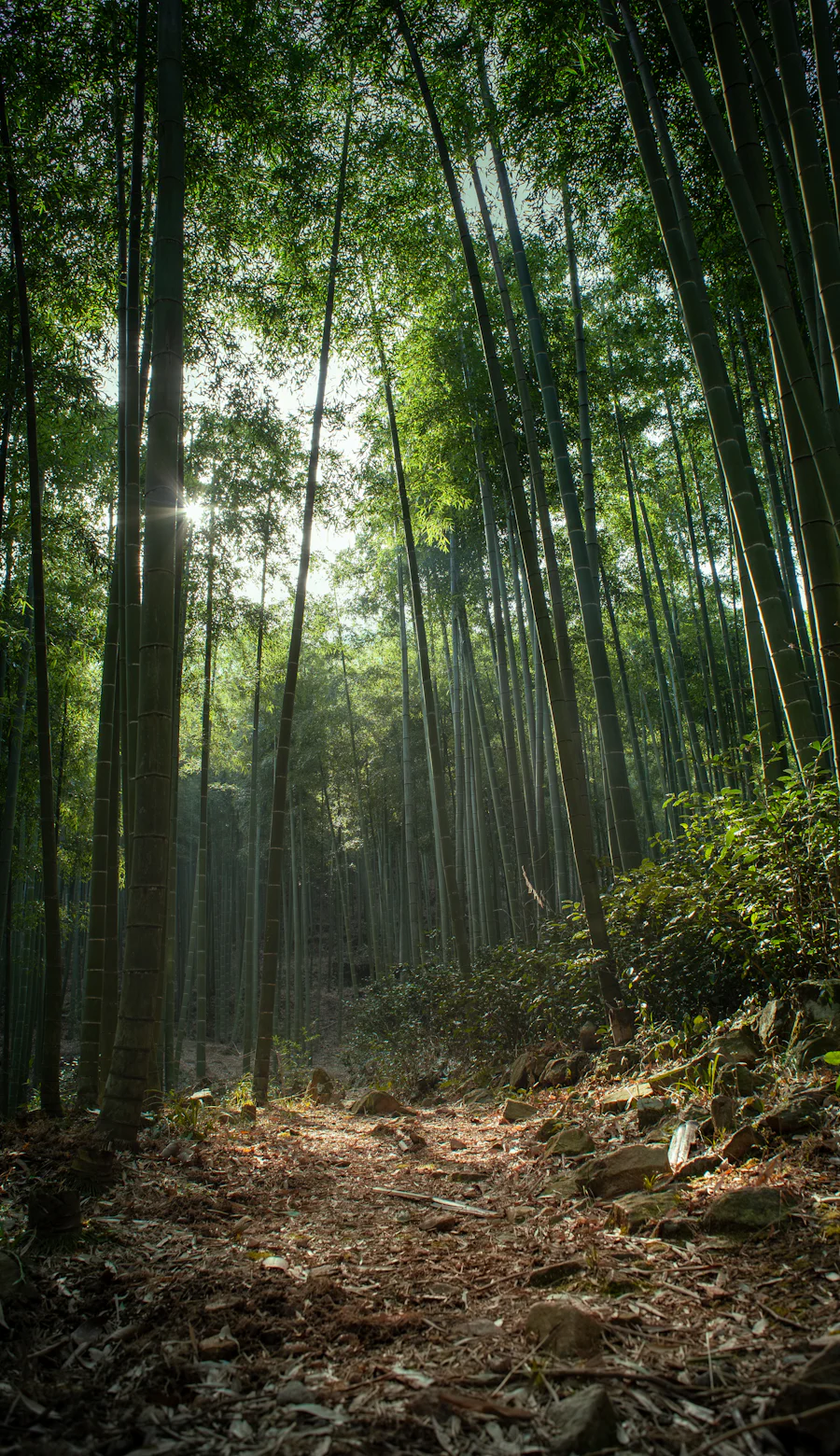
Bamboo above the east path, 7:10 in May
Nine rooms in the cedar hills of the Mizuna valley. Two spring baths, dinner from the hearth, and very little else.
木漏れ日の宿
The autumn register is open.
Komorebi is the word for sunlight that reaches the ground through leaves. It names the light and the shade as one thing.
We built the house the same way. Nine rooms, set far enough apart that each has its own silence. The corridors are left dim so the garden looks bright. The alcoves hold one object, changed when the season does.
There are no televisions, no clocks in the halls and no music in the bath. What you hear is water, the cedars, and whoever you came with. Fourteen guests at most, looked after by the Asahina family since 1962.
Asahina Tomoe, third keeper of the house
Ten mats and a veranda wide enough for two chairs and a pot of tea. Faces the lower garden. The futon is laid while you are at dinner.
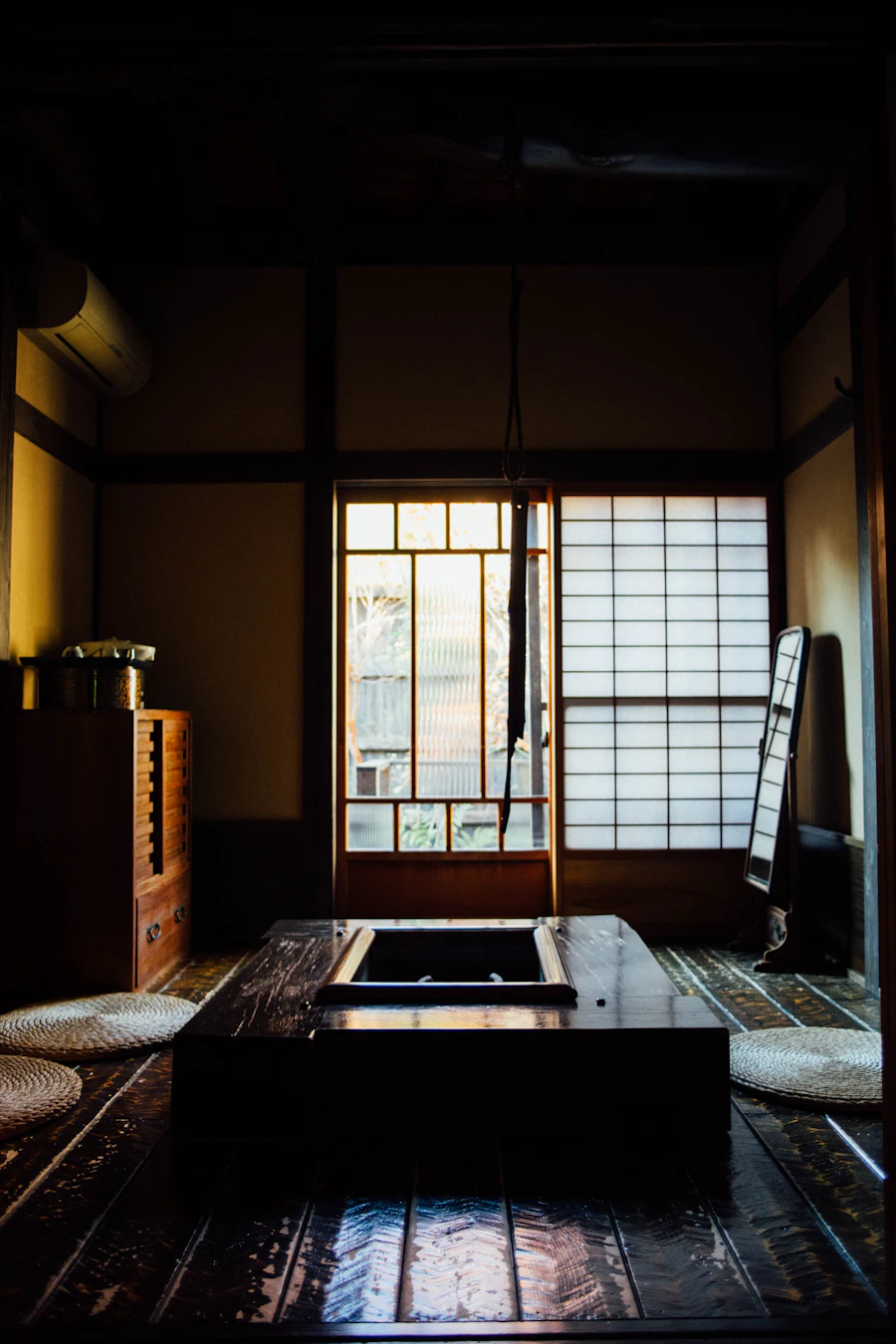
The old farmhouse rooms, with a sunken hearth in the floor and beams black from a century of smoke. We bring charcoal at dusk.
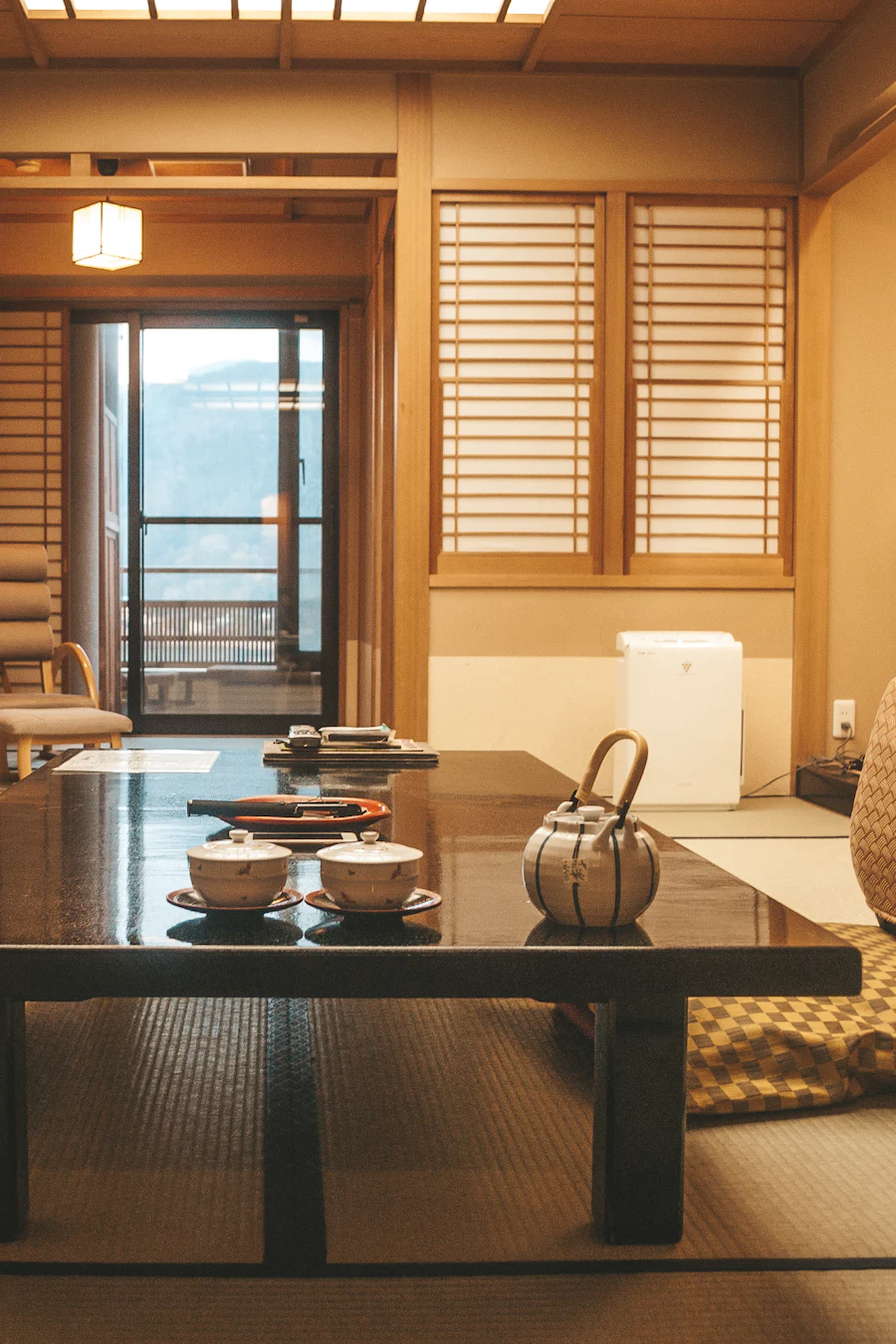
Two rooms and a private cedar tub on the top terrace, above the mist line most mornings. Dinner is served here, at your own table.
Every rate includes dinner, breakfast, both baths and the bathing tax.
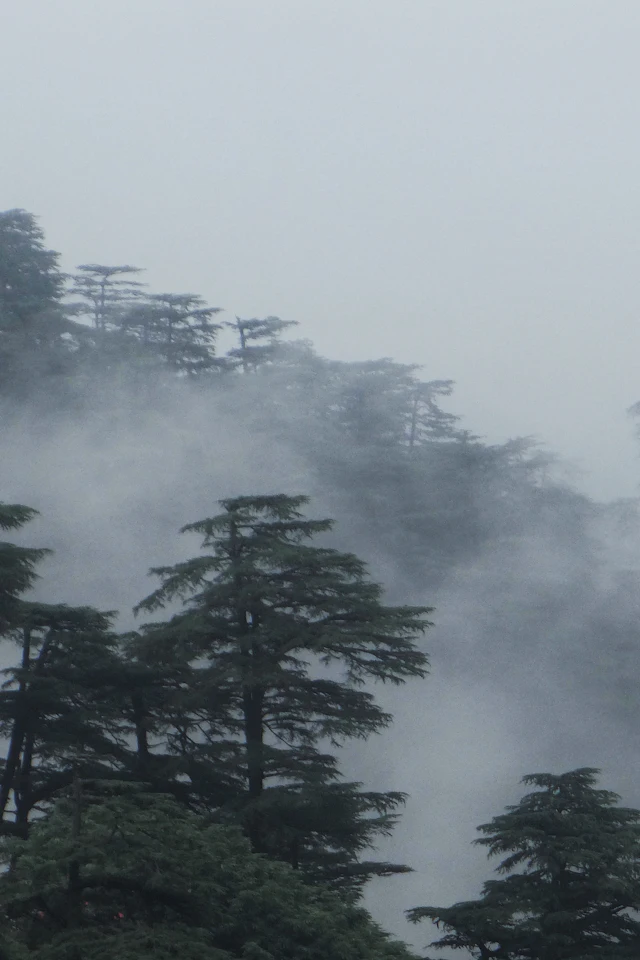
Mist comes up the valley before the sun does. The outer bath opens at half past five for anyone awake to see it leave.
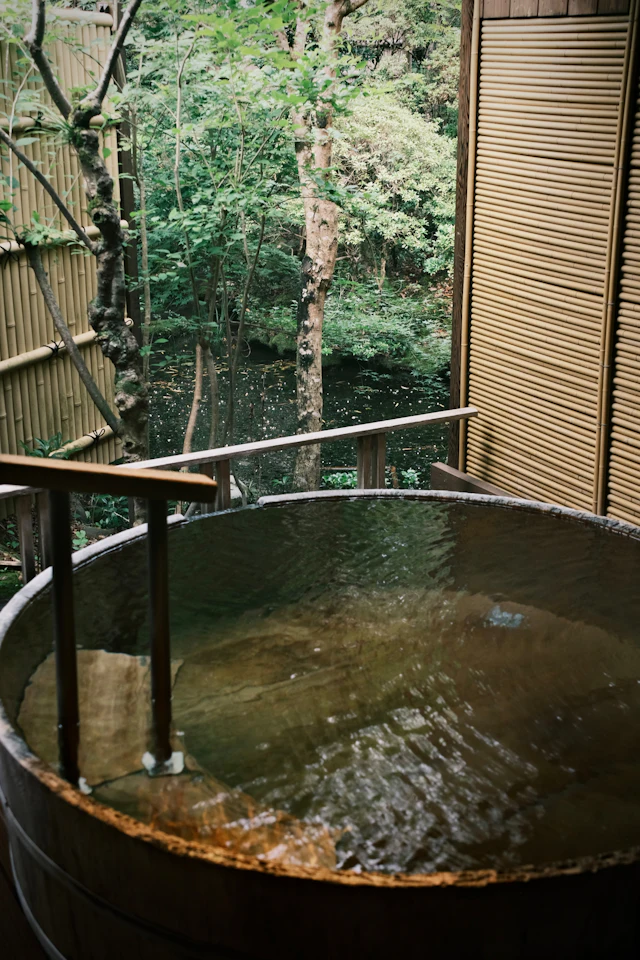
Cedar tub, forest on three sides. Breakfast follows at eight: river fish, rice from the pot, miso made in the house.
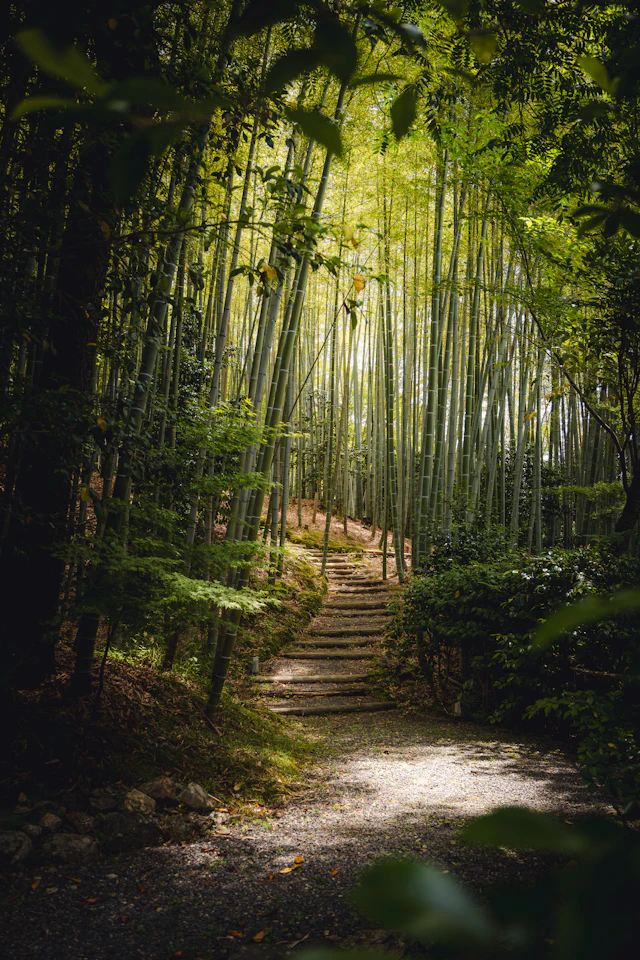
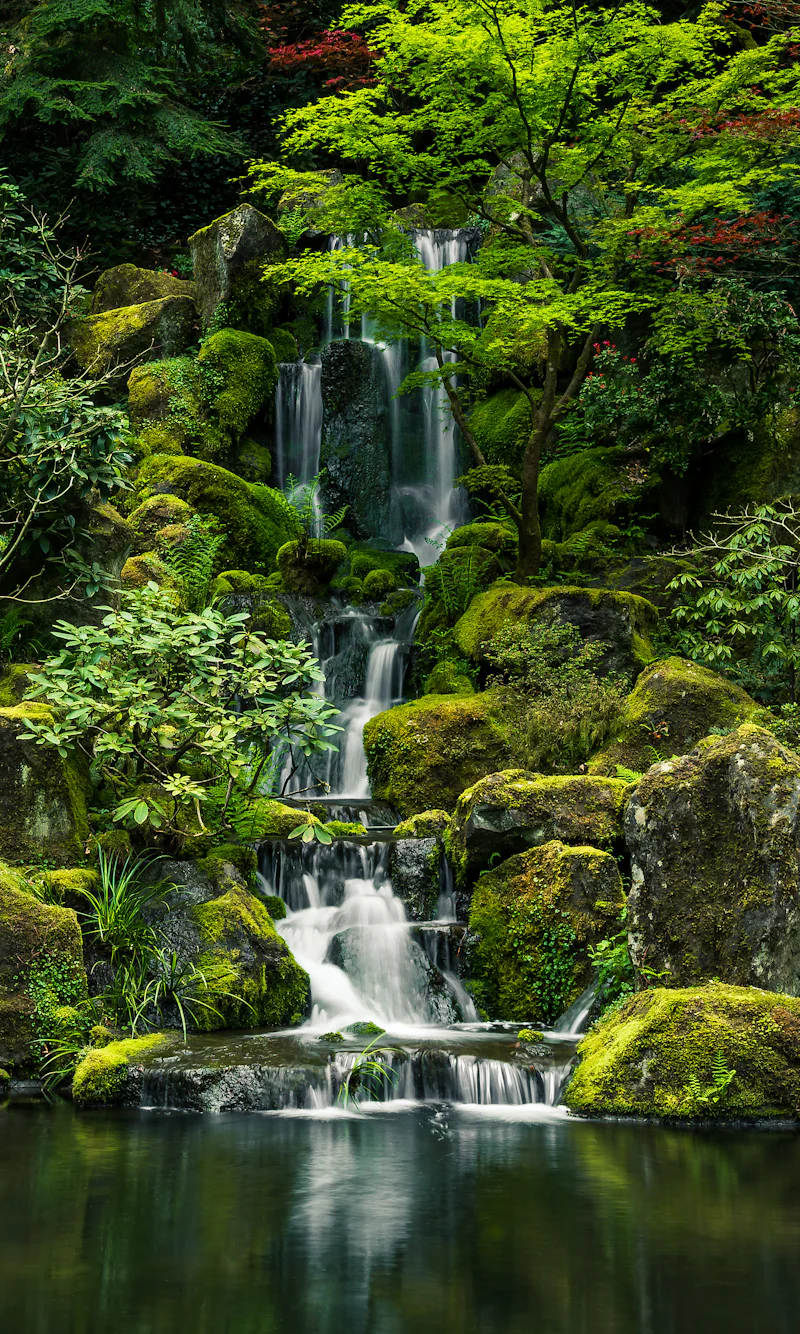
Forty minutes through bamboo to the Fudo falls and back. We lend straw sandals and, when it rains, oiled paper umbrellas.
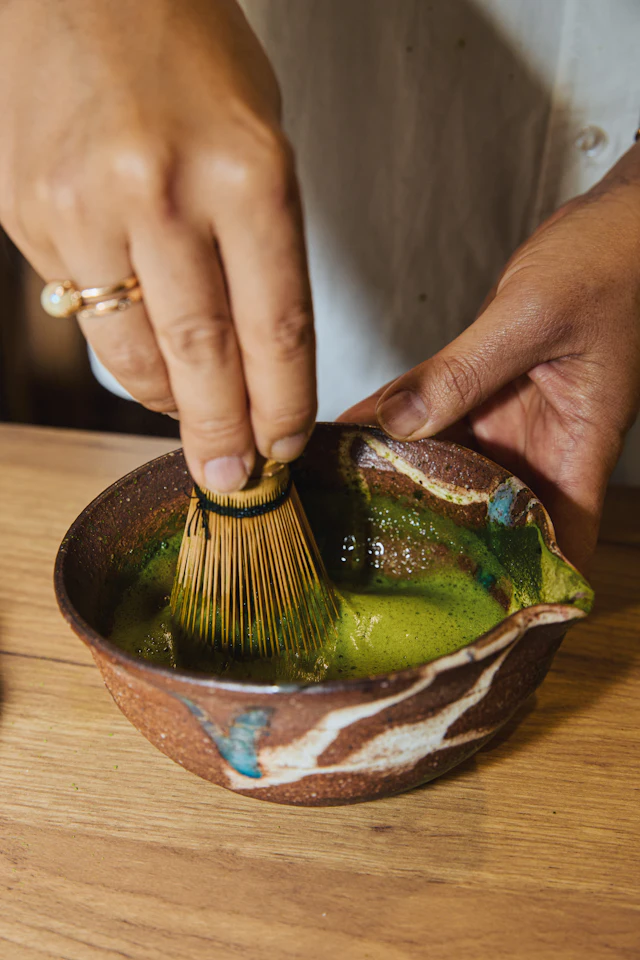
Whisked in the hearth room for whoever has arrived. One bowl, one sweet from Mizuna village, no ceremony to get wrong.
Nine courses, most of them from within the valley. Chef Kuroda grills over cedar charcoal and writes the menu by hand each afternoon.
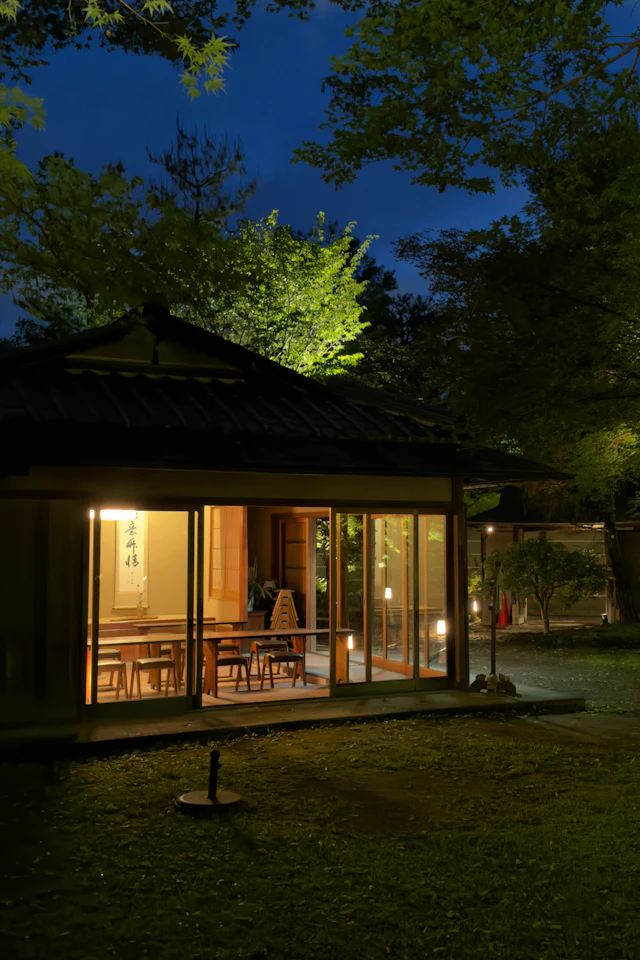
The garden lamps go down to four. The inner bath stays open until morning, and on clear nights the roof terrace has more stars than you remember.
05:40 Dawn
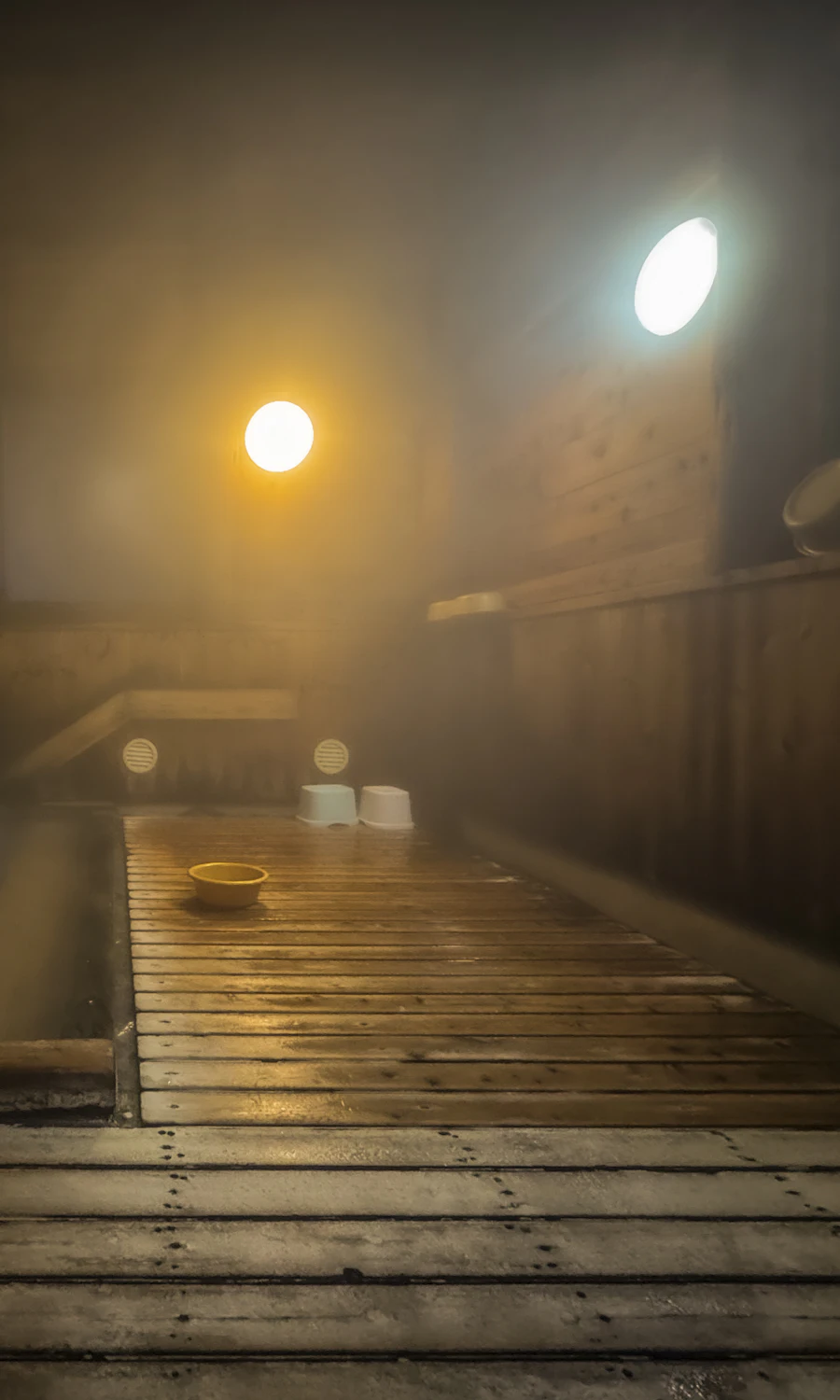
The spring rises 300 metres up the slope at 46°C and reaches the baths at 41. It is soft, faintly alkaline, and has never been heated, diluted or filtered.
Wash first at the low stools, then soak. Towels and a cotton yukata are in your room.
| Outer bath, cedar 露天 | 05:30 to 10:00 15:00 to 23:00 |
|---|---|
| Inner bath, cypress 内湯 | 15:00 to 09:00 |
| Private hour | Ask at the desk, no charge |
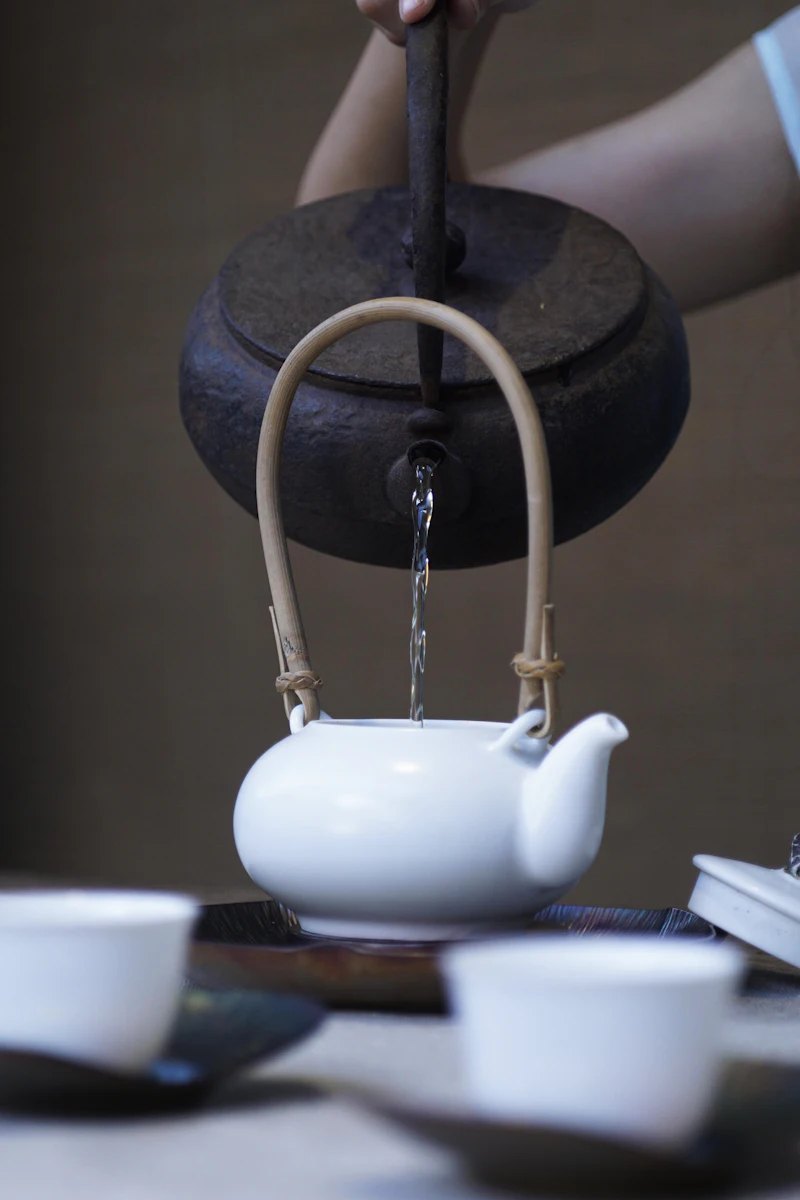
Our tea grows on the terraces above the house and is picked once, in the first week of May. Mrs. Asahina roasts the stems for hojicha in an iron pan each morning. You will smell it from the corridor.
Matcha at three in the hearth room. Hojicha in your room whenever you ring.
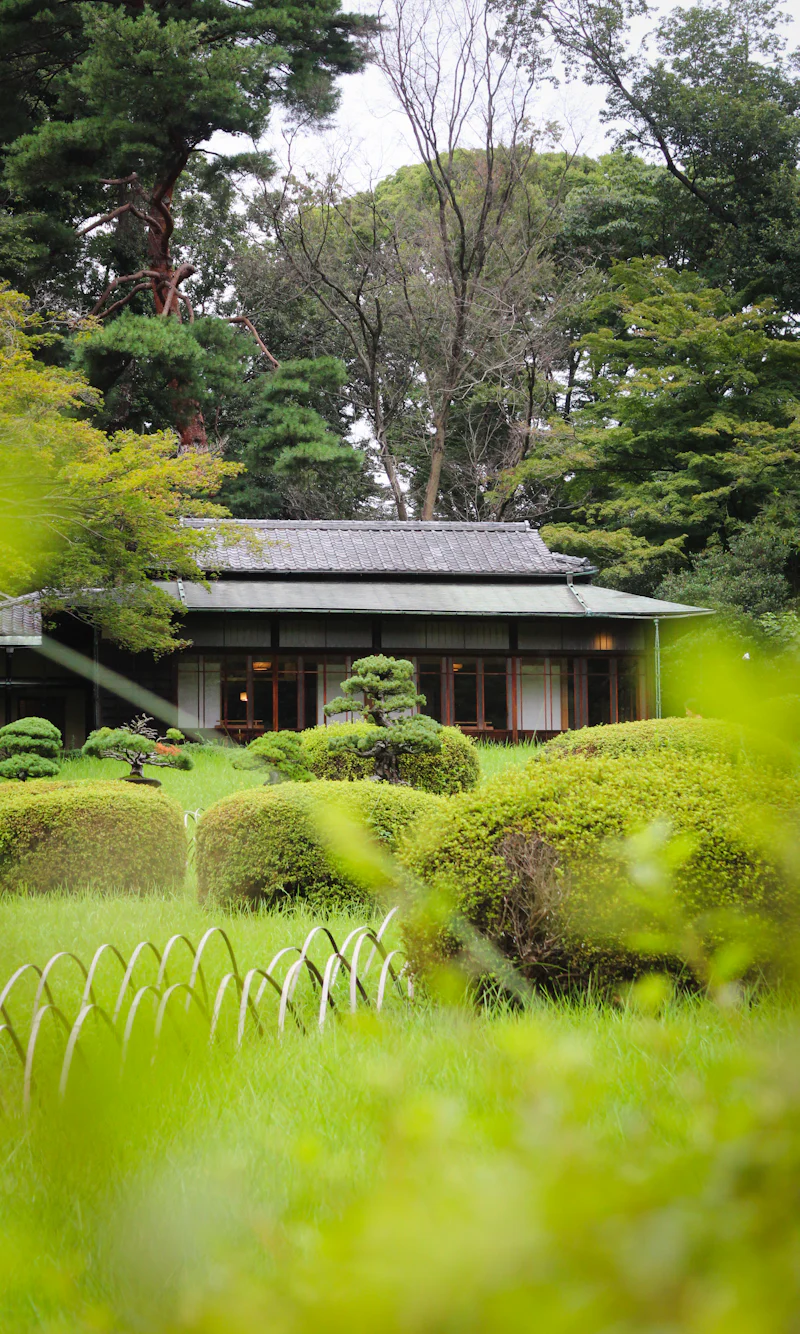
Mountain cherry opens late here, three weeks after the city has stopped looking.
The river is loud, the rooms stand open on two sides, and the bath is cooler than the air.
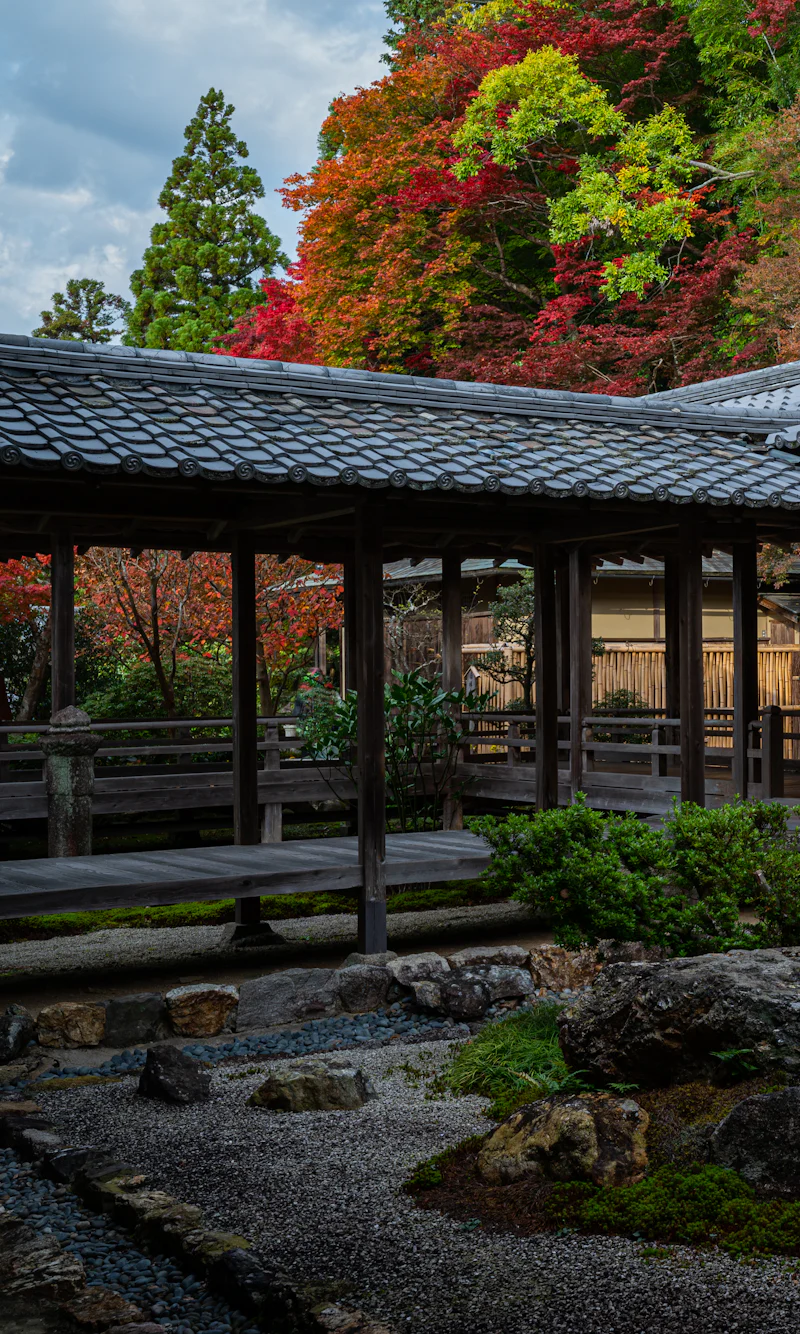
The maples by the covered walk turn in the second week of November. We do not light them at night.
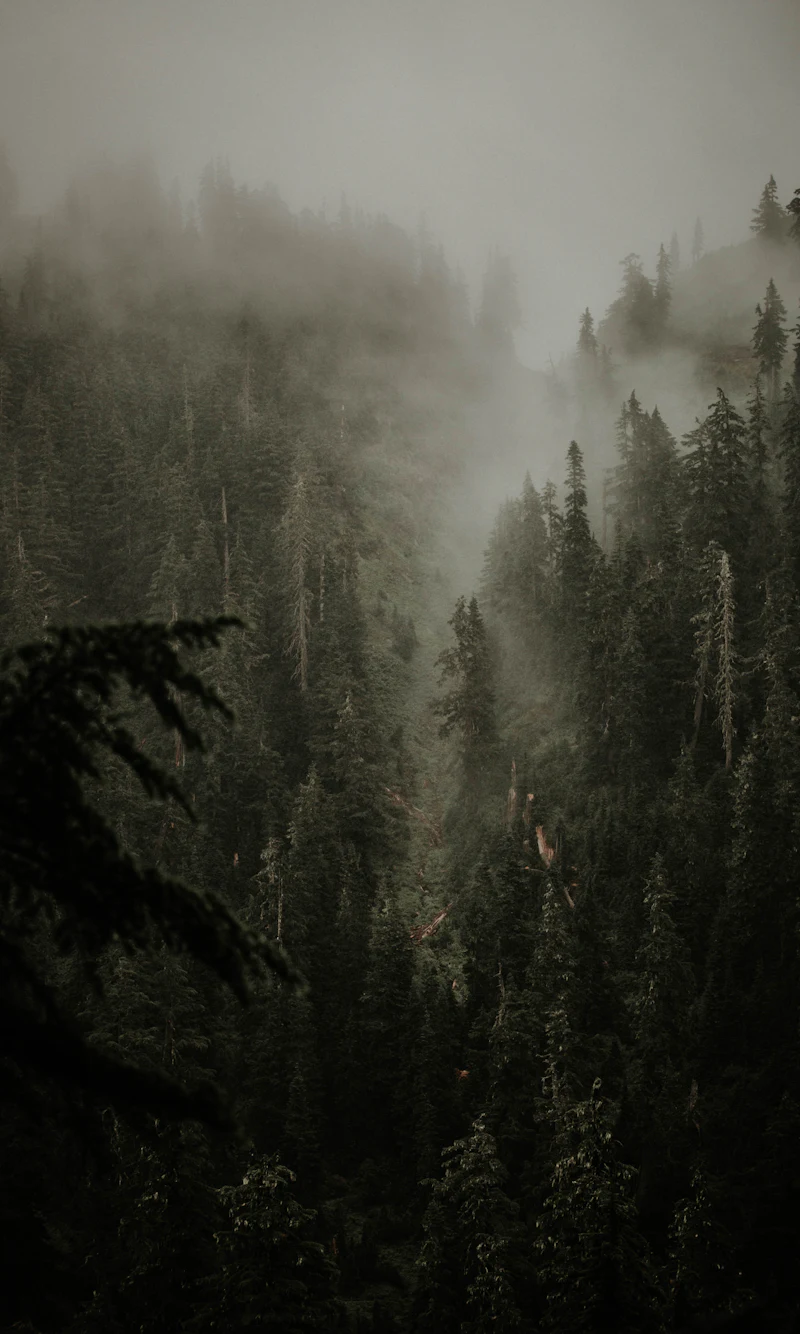
Fog most mornings, snow on some. This is when the hearth rooms earn their name.
Write your name in the register. We answer every request by hand, within a day.